This Is the Main Heading Lorem ipsum dolor sit
BEARDED DRAGON CARE SHEET
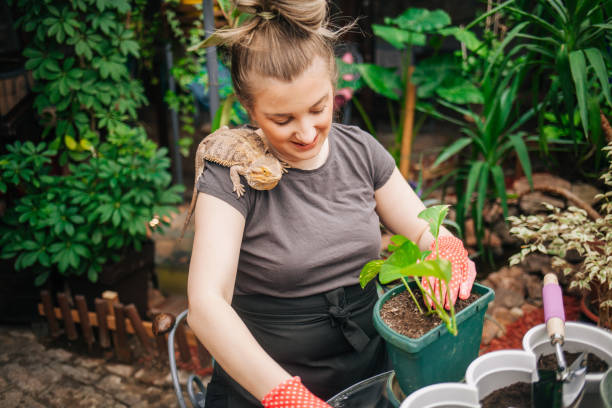
Care Sheet For Bearded Dragon
Bearded Dragons are the number 1 selling reptile in the pet industry for a number of reasons: most people consider them absolutely adorable, they have true individual personalities and they are very tame. In fact, some say that Bearded Dragons enjoy being handled and like to be pet. Caring for Bearded Dragons is relatively simple if you follow our general food and enclosure guidelines.
Additionally, they are easy to breed and if properly cared for can live from eight to twelve years. Captive Bred Bearded Dragons (as opposed to wild caught) tend to be docile and gentle natured. At Getabeardie Pet Supply, we carry only Captive Bred Bearded Dragons, and we maintain a strict quality control. We’ll be happy to set you up with the correct cage, heating, lighting and accessories for your new pet.
1. Enclosure Requirements
Size: Minimum 40-gallon tank for juveniles; 75-120+ gallons for adults (4’x2’x2′ recommended).
Setup: Front-opening enclosures preferred for easy access. Include branches, rocks, and hides for climbing/basking.
Security: Secure mesh lid to prevent escapes and ensure ventilation.
2. Temperature & Lighting
Critical for digestion, immunity, and bone health!
Basking Spot: 95-110°F (35-43°C) — use a digital thermometer.
Cool Zone: 75-85°F (24-29°C).
Night Temp: No lower than 65°F (18°C); use ceramic heat emitters if needed.
UVB Lighting:
Must use a linear T5 or T8 UVB tube (10.0 or 12% strength), covering ⅔ of the enclosure.
Replace bulbs every 6-12 months (even if still emitting light).
No glass/plastic between bulb and dragon.
3. Substrate
Avoid loose substrates for juveniles (impaction risk)!
Safe Options:
Tile, paper towels, or reptile carpet (easy to clean).
Packed organic topsoil/sand mix (for experienced keepers only).
Never Use: Calci-sand, walnut shells, or pine/cedar shavings.
4. Diet & Feeding
Bearded dragons are omnivores (insects + veggies).
Juveniles (0-12 months):
70% insects (crickets, dubia roaches, black soldier fly larvae), 30% veggies.
Feed insects 2-3x daily (as many as they eat in 5-10 mins).
Adults (12+ months):
30% insects, 70% veggies. Feed insects 1x daily or every other day.
Staple Vegetables: Collard greens, dandelion, mustard greens, squash, bell peppers.
Fruits: Occasional treats (blueberries, mango).
Supplements:
Calcium (without D3) dusted on insects 5x/week.
Calcium with D3 and multivitamin 2x/week.
5. Hydration
Water Bowl: Shallow dish always available (clean daily).
Misting: Lightly mist greens 1-2x/day; dragons often drink from droplets.
Baths: 2x/week in lukewarm water (up to shoulders) for 10-15 mins to aid hydration and shedding.
6. Handling & Socialization
Start Slowly: Limit handling to 5-10 mins/day for new dragons.
Proper Support: Always support all four legs and tail. Never grab from above (predator response).
Signs of Stress: Black beard, hissing, frantic pacing — return to enclosure immediately.
7. Shedding
Frequency: Juveniles shed monthly; adults every few months.
Assist Gently: Increase baths; never pull off stuck shed. Use a soft toothbrush for tough patches.
Stuck Shed Concerns: If shed persists >2 weeks (especially on toes/tail), consult a vet.
8. Brumation (Winter Slow-Down)
Signs: Reduced appetite, hiding, prolonged sleep.
Preparation: Ensure parasite-free fecal exam by a vet beforehand.
During Brumation:
Keep water available.
Weigh weekly; >10% weight loss requires vet intervention.
No feeding (digestion halts).
9. Health & Vet Care
Yearly check-ups are essential!
Common Issues:
Metabolic Bone Disease (MBD): Limping, swollen jaws, tremors. Prevent with UVB + calcium!
Impaction: Lethargy, bloating, no defecation (caused by incorrect substrate/large prey).
Parasites: Weight loss, runny stool.
Emergency Signs:
No poop for >7 days, bleeding, labored breathing, or paralysis.
10. Cleaning & Maintenance
Spot Clean: Remove waste daily.
Deep Clean: Monthly with reptile-safe disinfectant (e.g., F10SC or diluted chlorhexidine).
Bowl/Decor: Wash food/water bowls and decor weekly.
Final Tips
Quarantine: Isolate new dragons for 90 days before introducing to others.
Record Keeping: Log feeding, shedding, weight, and vet visits.
Vet Partner: Locate an exotic/reptile-specialized veterinarian before emergencies.
Disclaimer: This care sheet is a guideline. Always consult a qualified reptile vet for health concerns.